
This article originally appeared as a post on the Master Gardeners of Ontario Facebook Group. The author is Cathy Kavassalis.
Enjoy Biodiversity in the Garden
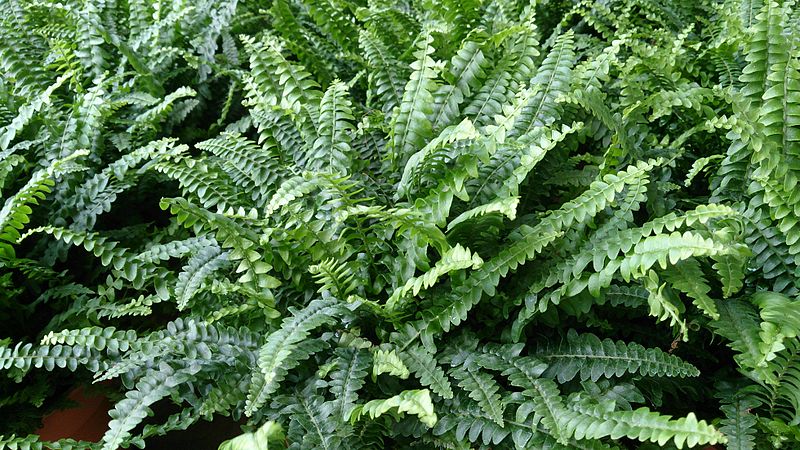
Each day when we walk in our gardens, we witness the diversity of life around us. I have the extraordinary privilege to see wood ferns unfurl and to watch Clinton’s lilies (Clintonia umbellulata) dance in the breeze. In my woodland garden, mayflowers and starflowers are blooming beneath the tree where pileated woodpeckers nest.
I look around and marvel at the diversity of flower forms. I think about how different the flowers of wild columbine (in the buttercup family) are from those of the blue-eyed grass (in the iris family), or pussy toes (in the aster family), or prairie smoke (in the rose family), or the trillium (in the bunchflower family). Each has evolved such distinct strategies for survival and have formed unique relationships with different sets of life partners. It is through cooperation with others that such diversity of life has evolved.
I puzzle over why the pollen on my wild geranium is purple? I have seen some with yellow pollen. I found a whole dissertation that explores the question of geranium pigment: GEOGRAPHIC VARIATION IN FLORAL PIGMENTATION OF US NATIVE HERB, GERANIUM MACULATUM, AS EVALUATED BY TRADITIONAL AND CITIZEN SCIENCE APPROACHES by RACHEL ANN PEREZ-UDELL, 2022. A quick scan suggests that it has to do with the unique relationships with biotic partners (e.g., pollinators, seed dispersals, and florivores) and abiotic factors (e.g., precipitation, temperature, and UV exposure) in different regions. (It is more than I want to read right now, but I’ve downloaded it for a rainy day). How cool and how complex life is!
I stop to watch a goldenrod spider dangle from a pin cherry leaf, and admire its beautiy as it scurries up to hide from my camera. Nestled in the leaves of wild strawberry, I spot a damsel bug with its needle-like mouth parts piercing a fly. On the nearby strawberry flowers, I see an assortment of native bees. So many native bee species seem to find the strawberry pollen good food for their babies. I can see why it is a keystone species.
Our gardens can abound with life, if we choose our plants with biodiversity in mind. The world is experiencing a biodiversity crisis right now. Experts estimate the extinction rate of species to be between 1,000 and 10,000 times higher than the natural extinction rate. That is due to us. Habitat loss, pollution, invasive species, over exploitation of resources, these are all drivers of biodiversity loss.
But we can help reverse this trend. What we plant in our gardens can make a difference. Choose plants that support native biodiversity and start to learn about the species that can and do live in your area. Learn to appreciate the life around you and teach next generations how to care for the plants that keep our planet healthy. Garden for life!

 Halton region Master Gardeners