
Liza Drozdov – Halton Master Gardener

It’s early spring. We’re starting to see the sun again and we’re itching to get into the garden, but it may be too early to sow seeds. Consider starting ranunculus or anemone corms that will give you flowers as early as April.
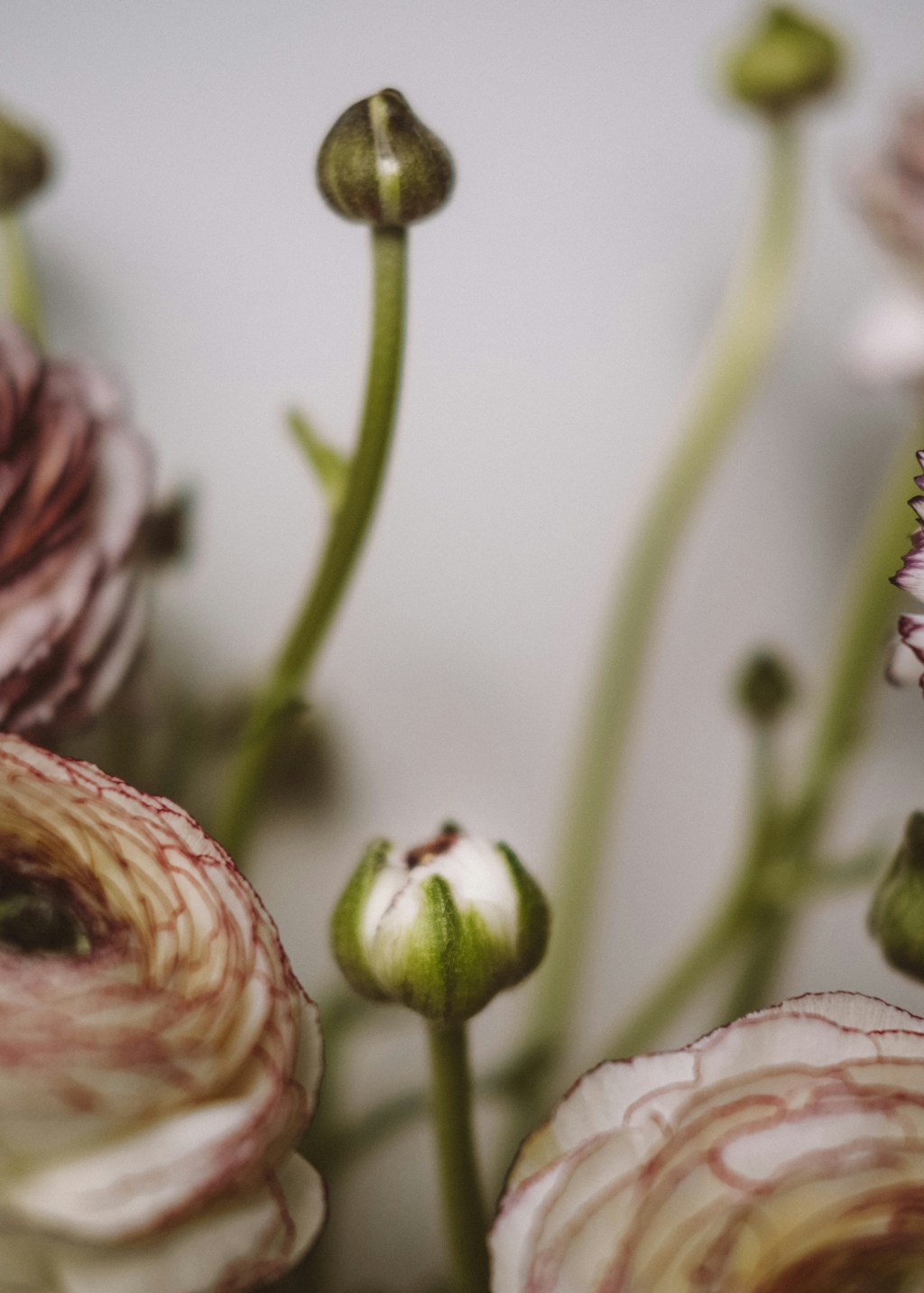
Many people are familiar with these early spring flowers used in containers and spring plantings, and as popular cut flowers. Both are easy to grow, and growing from corms is so much less costly than purchasing the plants in bloom from your local garden centre. They bloom very early, so they’re a source of nectar for hungry early pollinators, but we gardeners tend to grow them for their beauty and their long vase life as cut flowers.
Both anemones and ranunculus are in the Ranunculaceae family and are herbaceous perennials that grow from tuberous roots or corms. Both are tender perennials, hardy to around zone 7, so they need to be stored over the winter in Ontario. Like pansies, both ranunculus and anemones will take light frost and cold temperatures. They prefer free-draining soil and full sun which is easy to provide in early spring before trees leaf out.
At this time of year you’ll find these wrinkly, unpromising looking corms sold in plastic bags in garden centres and online. Most of us will follow the instructions on the packet–that is, to plant them directly in the garden after all risk of frost–and nothing happens. We write them off as a failure and never try again. But both are easy to grow successfully if you follow the steps below.
The most important thing to know is that both ranunculus and anemone are cool weather plants–like pansies–and they need to grow cool. They thrive when daytime temperatures are around 15C and nighttime temperatures are just above freezing. When hot weather arrives they will quickly go dormant; if you plant them in May, odds are they might be just emerging when the soil and air temperatures are already too high for them to thrive. So you need to plant them out into the garden by early-mid April. To do so you need to start them early: February or March is not too soon. You also need to soak and pre-sprout them.
- Soak the corms in room temperature water for 4 hours. They will plump up and get a head start on growth.
- Plant the corms about 1″ below soil level in well-drained soil. Most bagged potting mix is fine. I plant mine in individual cells, which makes it easy to pot them up and to remove duff corms that don’t sprout. Ranunculus need to be planted with those weird octopus fingers pointing down. Anemones are a bit trickier; their lumpy shapes don’t reveal much. You might find dried roots or stems still attached that may give you a clue about which side is up. If in doubt, just plant the corm on its side—the plant will figure it out.

- Prepare a suitable location for the sprouted plants. Find an area that receives plenty of indirect sunlight and has good air circulation. It should be at a comfortable room temperature with minimal temperature fluctuations. Ensure the soil is well-draining to prevent waterlogged conditions that could lead to root rot. Maintain a consistent watering schedule, allowing the top inch of soil to dry out before watering again. Observe the growth of the plants and adjust the light exposure accordingly to promote healthy development.
- After 10-14 days, even if they aren’t sprouting yet, put them under lights; ordinary shop lights are fine, as is a sunny window sill. You’ll see green growth almost immediately. Give them as much light as you can to ensure they don’t grow spindly.

5. Ranunculus and anemones have specific requirements for optimal growth. It is recommended to continue growing them in a cool environment, such as a garden shed or an unheated garage under lights. After a few weeks, healthy small plants can be obtained, which can then be transferred to larger pots and eventually planted in the garden. These plants are known to bloom for several weeks until the temperatures rise, at which point they will go dormant. More information on storage can be found in the sidebar below.
They can generally be planted outside in early-mid April (in southern Ontario) since they are so cold hardy, but if we have a late snowfall or intense cold snap you may want to cover them with a frost cloth or bring the containers in to avoid damaging the flowers.
Sidebar:
You don’t have to treat ranunculus and anemones as disposable plants; both are easy to keep over for years, just like dahlias, and your stock will increase from year to year as the corms multiply and grow in size. If you’ve left it too late to start from corms this year, buy plants from the garden center and save the corms for next year. It’s so easy to do:
- Enjoy the flowers while they last, keeping the pots well watered and lightly fed.
- When the hot weather starts they will go dormant. You’ll see the leaves yellow and die off. At that point, stop watering the pots and allow them to dry out.
- Shake off the soil and carefully remove the corms. Place them in brown paper bags (not plastic) and store them in a cool, dry place over the next 7-8 months.
- In early February of the following year, soak the corms and plant again.





 Halton region Master Gardeners