Pam MacDonald, Halton Master Gardener
Though the word beautification makes the concept sound merely cosmetic, it involves much more: clean water, clean air, clean roadsides, safe waste disposal, and preservation of valued old landmarks as well as great parks and wilderness areas.
To me…beautification means our total concern for the physical and human quality we pass on to our children and the future.Lady Bird Johnson
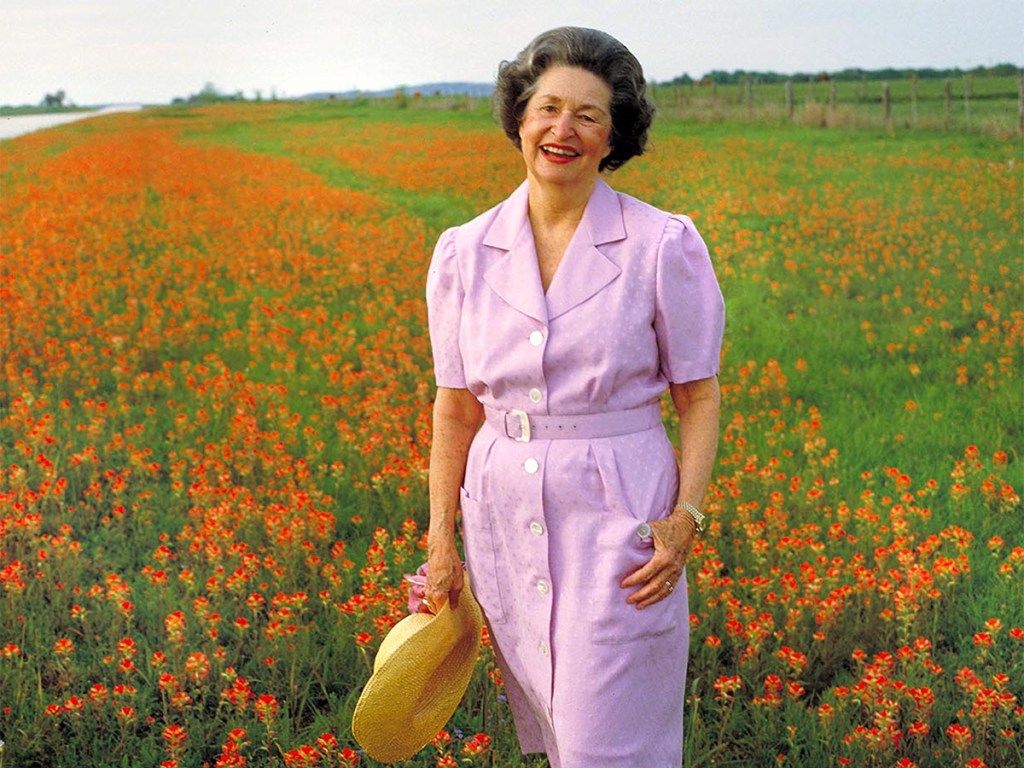
If you have ever visited Washington D.C. in April, you will know that the Capital District is awash in cherry blossoms that time of year. These and the native azaleas, rhododendrons, dogwoods, birches, and oaks that adorn the United States capital are all part of the legacy of Lady Bird Johnson, wife of US President Lyndon B. Johnson (1963-1969).
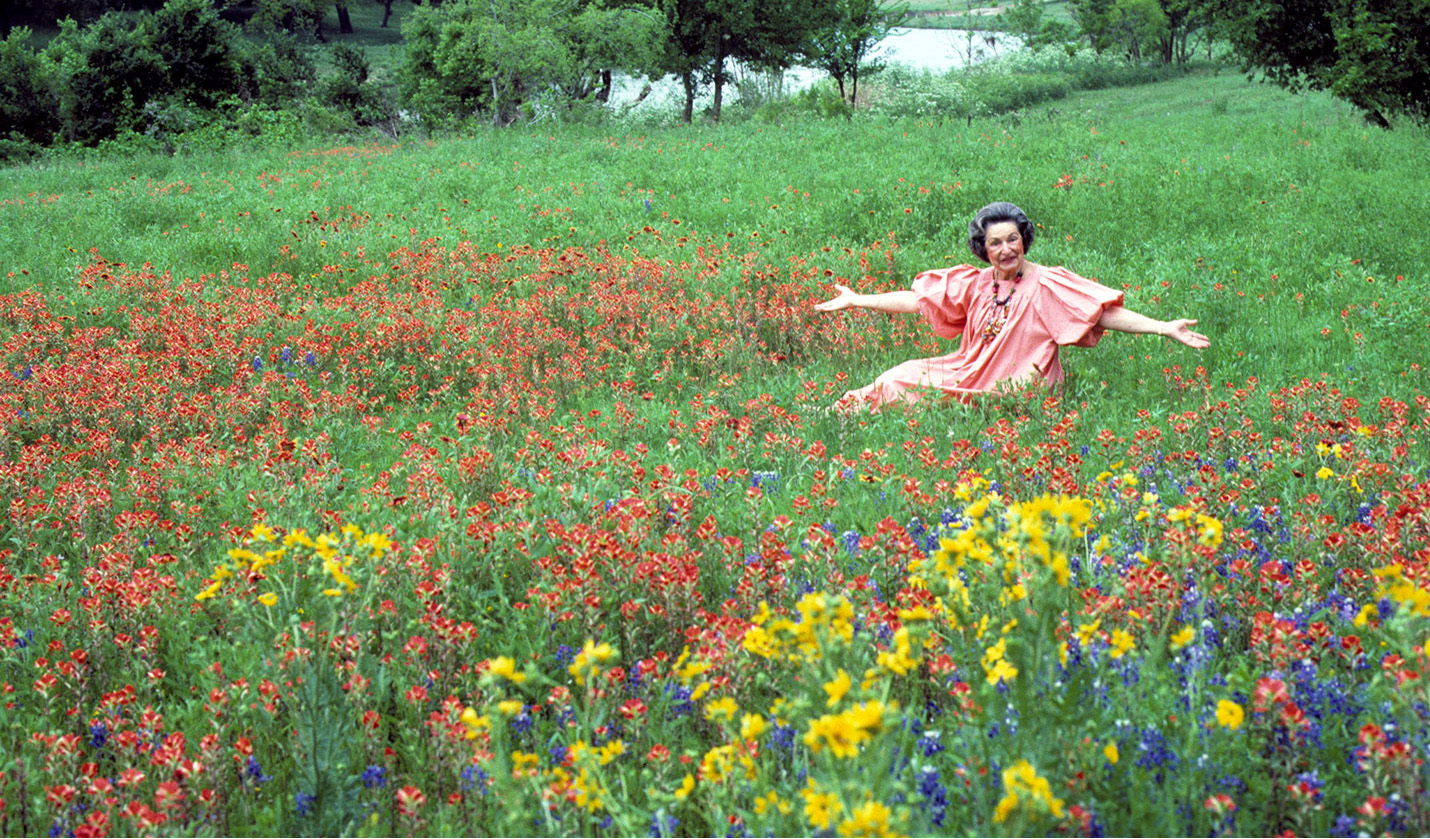
All modern First Ladies of the United States have adopted a cause or project during their husbands’ terms in office. Mrs. Johnson championed the preservation and protection of wildflowers. Her “Make America Beautiful” initiative, begun in 1965, contributed to the momentum for recognizing the value of native wildflowers and the need to preserve and protect them. A pioneering advocate for nature, Lady Bird Johnson was a pioneer in the understanding of the therapeutic and regenerative qualities of native plants and beautiful landscapes.
Initially, Congress was not eager to fund a project about flowers. However on February 8, 1965 President Johnson, on behalf of Mrs. Johnson, marched to the Capitol to deliver a ‘special message’ to Congress on the conservation and restoration of natural beauty. By October, 1965 several pieces of legislation had been passed. The Highway Beautification Act became the cornerstone for a broad range of conservation, restoration, and transformative projects in spaces as diverse as national parks, interstate highways, and inner city parks.
When she returned to Texas at the end of LBJ’s presidency, Mrs. Johnson continued to apply her personal energy and fundraising abilities to restoration and preservation projects. In 1982 Mrs. Johnson, former first lady of the United States and her good friend, first lady of the stage Helen Hayes, collaborated to establish the National Wildflower Research Center in Austin, Texas. At the time, the women were 70 and 81 years old, respectively.
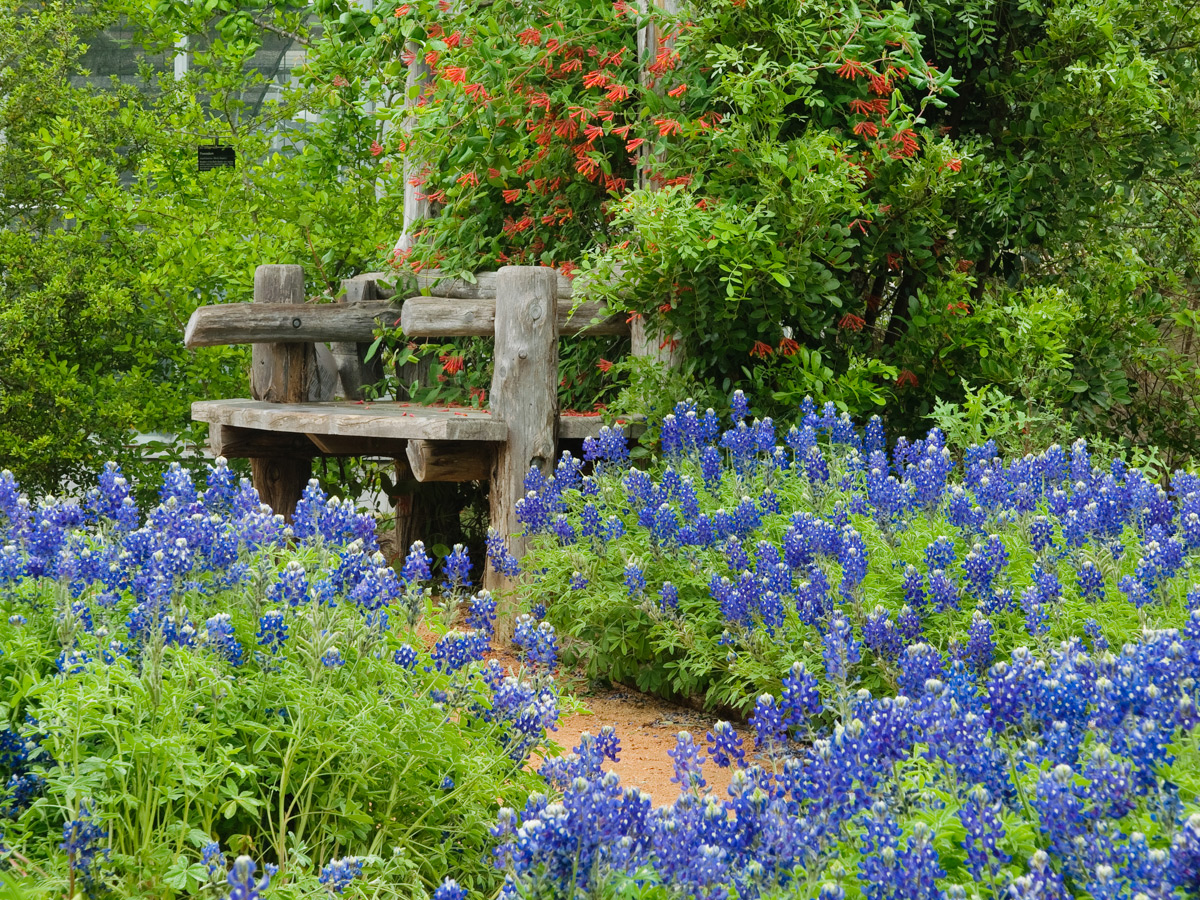


The center’s mission has been to help preserve and restore the beauty and biological richness of North America. Its research focuses on the role of wildflowers in natural spaces. In 1997 the center was renamed in Mrs. Johnson’s honour and is now affiliated with the University of Texas at Austin. Research has expanded to include such topics as the use of prescribed burning and reintroduction of buffalo to restore prairie habitats.
The Center’s Plant Database
One of the outstanding resources created by the center is a searchable database that includes detailed information on more than 9,000 North American native plant species.

The search feature can filter results by geographic region, light requirements, soil types, and a variety of other factors. It’s easy to find the right native plant for any growing condition.
The native habitat information for each species is very useful for recreating plant communities in a garden. Knowing which species would be found together in the wild can help gardeners choose the places where plants are most likely to thrive.
Native plant gardeners, and new-to-native-plant gardeners in particular, will find this database an invaluable source of information. And for all of us, Lady Bird Johnson continues to be a source of inspiration.
For me, wildflowers are joy-giving. They have enriched my life and fed my soul and given beautiful memories to sustain me. Beyond their aesthetic value, there are other valid reasons for their increased use. As we experience problems with lowering water tables and increasing maintenance costs, incorporating nature’s bounty into our landscapes may provide a viable alternative in suitable areas to our concept of manicured clipped grass.
Lady Bird Johnson
(from a letter in National Wildflower Research Center report “The First Ten Years: 1983-1993.”)
READ MORE:
- Lady Bird Johnson Wildflower Centre
- Lady Bird Johnson Wildflower Center Designated Texas State Botanic Garden and Arboretum
- Ladybird Johnson Wildflower Centre Native Plant Database
- Claudia ‘Lady Bird’ Johnson – National Women’s History Museum

 Halton region Master Gardeners