Cathy Kavassalis – July 8, 2026
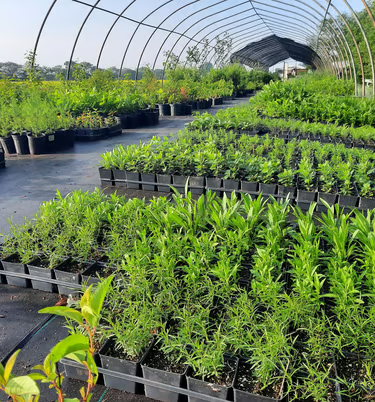
SEE THE LIST OF NURSERIES IN SOUTHERN ONTARIO
Preventing the spread of invasive plants begins in your garden. Don’t buy, plant, or share invasive plants, and dispose of any plants you remove carefully so they cannot re-establish or spread. Learning to recognize invasive plants is the first step in managing a global problem.
Learning how to remove or manage invasive plants in your home garden is the next step. New or small infestations can often be controlled by hand-pulling or digging; established populations take patience, persistence, and a combination of methods. Whatever you do, the goal is the same: keep seeds, roots, rhizomes, and fragments from spreading. And share what you learn with your neighbours, because invasive plants don’t respect fences.
1. Prevent introductions
- Check before you buy or share. Many invasive plants are still sold or passed between gardeners. Research a plant before you plant or share it, and check whether it’s known to cause harm.
- Buy clean soil, mulch, and compost from reputable sources; contaminated material can carry seeds and root fragments.
- Don’t move soil or share plants from an infested bed. Root-wash anything you do move, because one fragment or seed can start a new infestation.
- Clean tools, boots, and equipment between areas; fragments and seeds are a major spread pathway.
- Work with your neighbours to prevent and control spread.

2. Identify potential problems – What’s that plant?
- If a plant appears in your garden, or you don’t know what you are growing, you can use apps like Google Lens, iNaturalist, and Pl@ntNet to give you possible suggestions. These are not 100% accurate and results should be double-checked.
- Confirm with reliable sources: government sites (.gc.ca, .on.ca), universities, botanical gardens, conservation trusts, and organizations like the Ontario Invasive Plant Council.
- Field guides help too.
- When in doubt, ask a local Master Gardener (mgoi.ca) or other expert to confirm.
3. Is it an invasive plant?

Search a plant’s scientific name together with the word “invasive” to check whether it is invasive. This isn’t entirely reliable, as older gardening sites may not be up to date with current lists, but it is a start.
Many plants can potentially harm Canada’s economy, environment, and public health. Some are regulated federally like giant reed grass (Arundo donax) as a pest plant under the Plant Protection Act, or ox-eye daisy (Leucanthemum vulgare) under the Seeds Act (Weed Seeds Order). Some are regulated provincially like Japanese knotweed (Reynoutria japonica) under the Ontario Invasive Species Act, or wild chervil (Anthriscus sylvestris) under the Weed Control Act (see attached list).
Many others are widely recognized as harmful by scientists and conservation organizations yet are still sold in nurseries, like goutweed (Aegopodium podagraria), Japanese barberry (Berberis thunbergii), and burning bush (Euonymus alatus). Ontario’s 2022 Auditor General report identified many common invasive plant species shared by gardeners and sold in nurseries like English ivy (Hedera spp.) and periwinkle (Vinca minor) and recommended we work to prevent their spread. (That list of common, easy-to-spot invasive plants is attached.)
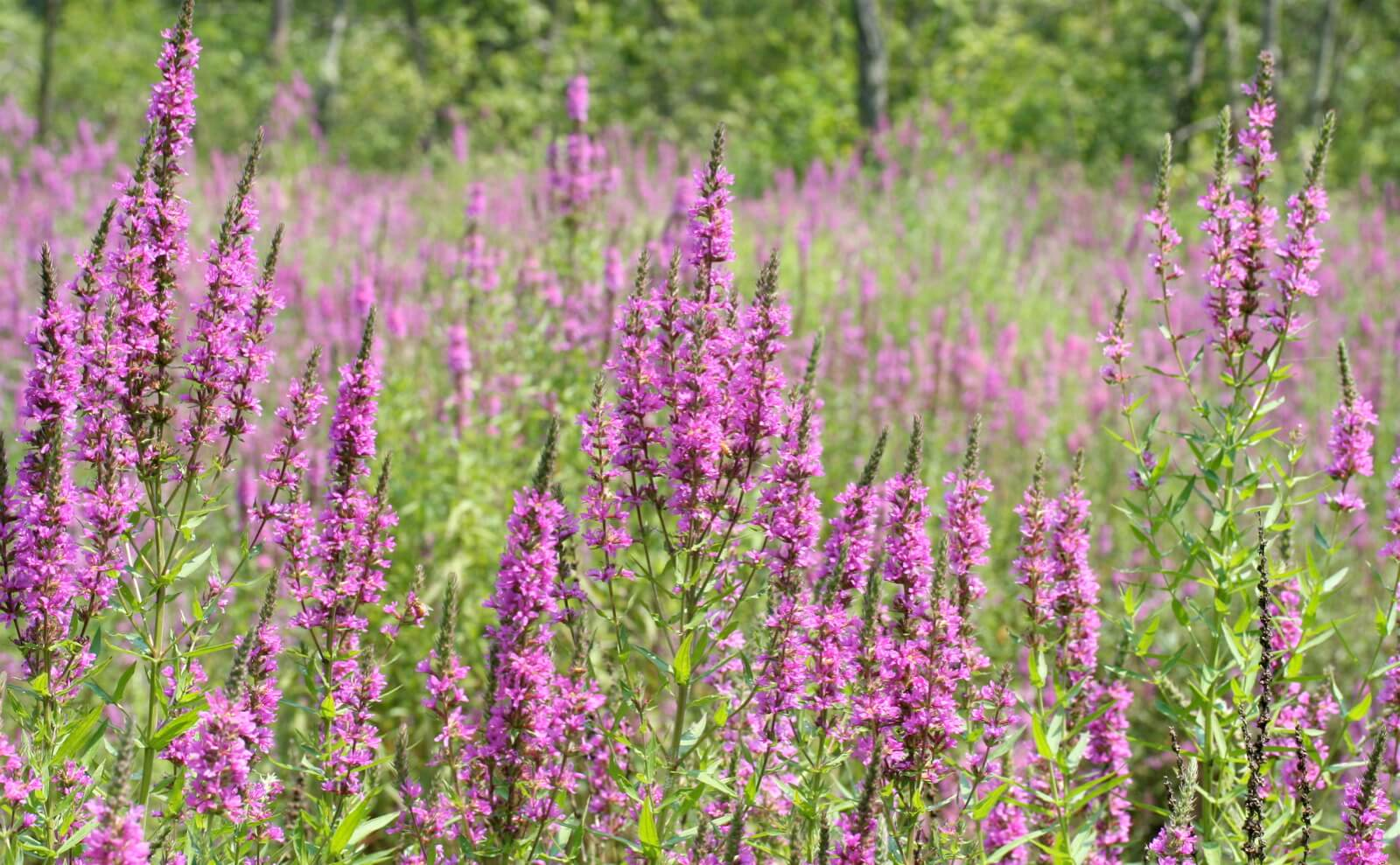
The Society for Ecological Restoration Ontario (SERO) has published an Invasive Exotic Plant Species Ranking for Southern Ontario (2025), identifying plants currently affecting natural areas and prioritizing their removal based on their potential impact. The Ontario Invasive Plant Council lists invasive species for which it has developed Best Management Practices (BMPs), along with other Resources. The Midwest Invasive Plant Network’s has compiled al Midwest Invasive Plant List that includes over 450 plants now considered invasive, noxious, or pests by one or more jurisdictions across its region, which includes Ontario. Visit CCIPR.ca for more lists. Ask a Master Gardener if you are unsure.
4. Size up the situation
Once you have identified a potentially invasive plant, you need to answer several questions. Is it a woody plant (a shrub or tree) or is it herbaceous (dies back in winter)? How much is there, and where is it growing? Is it in the lawn, under trees, among perennials? Near a natural area, woodland, or meadow? In or near a pond, stream, or lake? Plants near water or natural areas carry higher stakes, because seeds and fragments travel far beyond your property. Answers to these questions help you identify the right tools and help to prioritize your efforts.
Your toolbox
These are the methods referenced in the examples that follow.
- Hand-dig and sift: For small patches of herbaceous plants, dig out the plant and sift the soil to remove roots and rhizome fragments. A garden fork can be better than a spade for heavy soils or where you want to lift entire plants without severing roots. Try not to leave plant fragments or roots behind that can resprout.
- Scuffle hoe: Slice seedlings off at the soil surface; quick for removal of weed seedlings.
- Raking and mowing: For shallow rooted plants that spread with surface runners (stolons) like periwinkle, lifting up runners with a rake and diggin out plants or mowing close to the ground in early spring can reduce their spread. Make sure to rake or vacuum up plant material for disposal.
- Root barriers: To contain invasive plants or prevent roots and rhizomes of invasive plants from entering your garden install root barriers. To contain a shallow rooted plant like periwinkle, insert a barrier 15 to 20 cm deep leaving a 5cm lip. Deeper rooting plants like bamboos require 60 to 80 cm barriers and knotweeds up to 3m.
- Weed wrench or extractigator: Levers woody plants out of the ground, roots and all. This is most effective on stems up to about 5 cm (2 inches), with larger models handling up to 8 cm (3 inches).
- Repeated cutting: Cut growth back again and again every seven to ten days, so the plant can’t recharge its roots.
- Exclude light (occultation): Cover the plant with an opaque tarp or a thick layer of biodegradable mulch to starve it of sunlight. Thick black bags (like buckthorn baggies) can be placed over stumps and attached with zip ties to prevent resprouting.
- Solarize (a hydrothermal process): A narrow-use Ontario tool, best for sunny open beds, to reduce invasive seed-banks and annual weeds, in preparation for a new garden. Clear the soil of vegetation, wet it thoroughly, and cover with clear plastic (two layers are optimal). The sun then heats the upper layers of soil, killing invasive weed seeds and roots near the surface. (Different from light exclusion: solarization heats, it doesn’t shade.)
- Lower-risk herbicides: Ontario’s Allowable List includes non-selective contact herbicides, like vinegar (acetic acid), citric acid, and herbicidal (fatty-acid) soaps, that burn only the green tissue they wet. They will damage anything they touch. There are also more selective products like chelated iron as FeHEDTA, which is often applied to lawns because it is harmful to broadleaf plants while leaving turf grasses unharmed. Several bioherbicides (4-Cl-IAA, Citric and/or lactic acid, Phoma macrostoma strain 94-44b) are also registered for broadleaf weeds in lawns and can be used for spot treatments.
- Stronger, systemic herbicides: Products like glyphosate move through the plant to the roots, so they are more effective on difficult-to-control invasive plants, but their use is restricted under Ontario’s Cosmetic Pesticide Ban, (O. Reg 63/09). They can be used under exceptions to the law and by licensed professionals. Permits may be required (see sample request letter below).
- Underplant: For large invasive landscape trees (like Norway maple, white mulberry, tree-of-heaven), check with your local municipality to determine whether removal is permitted. Where removal is not possible or practical, underplant with native or non-invasive shrubs or trees that may serve as a future replacement. Try to reduce the spread of seeds or suckers.
Prioritizing and planning
- Break the job up: Decide how much time you have and focus on a manageable portion of the problem. Start at the edges of an infestation, prioritizing areas that can impact natural areas or neighbouring properties outside of your control.
- Multiple invasive plants: Focus on plants that are creating serious problems in Ontario now, like goutweed, burning bush, invasive honeysuckle. Leave potentially invasive plants like sweet woodruff and pachysandra for later. Check the SERO list or check with your local municipality, conservation experts, foresters or farmers for regional priorities.
- The long game: Well-established invasive plants often require several years to eradicate. When removal isn’t possible, try to prevent the spread of seeds and expansion of the problem.
Three things apply to every job:
- Stop the spread: black-bag what you remove, cook any plant material that can propagate in the sun before sending it to a waste-management facility, and clean tools, boots, and equipment.
- Monitor: check for regrowth and new seedlings, often for several years.
- Replace: mulch and/or add vigorous native or non-invasive plants to prevent reinvasion or new invasions.
Examples
- Tailor your action to the plant. Understand its life cycle and how it spreads. The key is to prevent the production of seeds, and/or to starve and remove the roots. Proper timing can minimize your effort and the need to repeat. While each plant has its own optimal management regime, here are some examples.
WEED SEEDLINGS: the best case is to catch it early
- A handful of seedlings or a small first-year patch is the easiest and cheapest stage to deal with. Hand-pull when the soil is moist, removing roots, or use a scuffle hoe on seedlings to sever weeds just below the soil surface. Mulch or replant the gap and check back throughout the season. No other action is needed.
HEAVY SEEDERS — stop the seeds, stop the spread: example garlic mustard

- For invasive plants that spread primarily by seed, success means preventing seed production. Garlic mustard is a good example. This biennial can produce anywhere from 100 to 10,000 seeds in its second year before naturally dying.
- Scout for and remove first-year rosettes whenever possible. Second-year plants can also be pulled but allowing them to bolt and then cutting the flowering stalk at the base is recommended, because it minimizes soil disturbance and reduces germination of buried seeds. Carefully bag and dispose of flowers or developing seed heads, as they may continue to mature after removal. Monitor for regrowth, as additional flowering stalks can sometimes be produced.
- Because garlic mustard seeds can remain viable in the soil for several years, expect to return each spring to remove new seedlings and flowering plants until the seed bank is exhausted. Replanting disturbed areas with desirable vegetation can help limit reinvasion by reducing opportunities for new seedlings to establish.
- Should garlic mustard densely cover large areas, new research suggests that land managers should prioritize edge populations. After a decade or more, garlic mustard populations appear to decline, so the multiyear effort required to remove and restore is not always merited. Learn more: MIPN GM Management Decision Tree.
DEEP ROOTS — contain and manage: example creeping bellflower
- Creeping bellflower (Campanula rapunculoides) is a very difficult plant to eradicate. Brittle taproots can extend more than 30 cm deep, while extensive creeping lateral roots (rhizomes) periodically produce additional taproots and rhizomes. Roots fragment easily, and even small pieces left behind can resprout.

- Where digging is an option, remove as much of the root system as possible and sift the soil for root fragments. A coarse soil sieve can be helpful. When the plant is intertwined with the roots of shrubs and trees, repeated cutting of top growth at the soil surface can help prevent it from replenishing its underground reserves.
- Contact herbicides, selective lawn herbicides, and occasional pulling often provide disappointing results because the plant readily regenerates from its extensive root system. Long-term success depends on exhausting underground reserves through repeated removal of top growth, careful digging, or prolonged exclusion of light.
- For large patches (where desirable plants can be root-washed and temporarily transplanted elsewhere), cover the area with an opaque tarp or a thick layer of mulch to exclude light. However, creeping bellflower can remain dormant for two or more years, so patience and monitoring are essential.
- In perennial borders, where the plant is intertwined with shrub and tree roots, complete removal may not be practical. In these situations, focus on preventing flowering and seed production, containing the infestation, and gradually weakening the root system over several seasons by continually cutting top growth.
- Dispose of all removed plant material in sealed bags and place it directly in the garbage. Do not compost this species.
WOODY SHRUBS & SMALL TREES: stop them while they are young; cut and cover: example common buckthorn
- Many woody invasive plants sucker profusely. Buckthorn is a key example: when cut, it resprouts vigorously. Seedlings and small saplings (up to about finger-thickness) can often be pulled by hand, ideally after rain when the soil is moist. For thicker stems (up to around 8 cm/3 inches), a lever tool such as a weed wrench, Extractigator, Pullerbear, or Uprooter can be used to pull them out, roots and all.

- For larger shrubs or small trees, cut the trunk as close to the ground as possible, tightly cover the stump with a thick light-blocking black bag, and secure it with a zip tie so it rests flat on the ground. Leave it in place for at least two growing seasons, checking that no shoots escape. (Check with your municipality whether removal of large trees is permitted.)
- Brushing cut stumps with a systemic herbicide like glyphosate is effective, but glyphosate is restricted under Ontario’s Cosmetic Pesticide Ban: it is generally a job for a licensed exterminator and is available to a homeowner only where a specific exception to the ban applies (see the section on herbicides and permits below). Note that municipal permission may also be required to remove a tree.
- Where removal is difficult, try to bag the berries to limit bird-spread seed, and expect to scuffle or pull seedlings for several years.
AQUATICS: For aquatic invader near or in water — caution and care is needed: example yellow flag iris

- This is the higher-stakes case, so identify carefully first: yellow flag iris looks like our native blue flag iris when it isn’t in bloom. Yellow flowers mean the invader; blue-purple flowers mean leave it alone.
- Yellow flag iris spreads by floating seeds and by rhizome fragments, so the overriding rule is to keep every piece and seed out of the water. Dig out small clumps, removing as much rhizome as you can, and wear gloves and eye protection, as the sap can irritate skin. Bag everything (never compost it or leave it near the shoreline) and replant with natives like blue flag iris or other native aquatic species (check with your local conservation authority or watershed managers for recommendations).
- For larger stands, or anything in flowing water, this may be beyond a do-it-yourself fix: herbicide use in or near water is tightly restricted, so report the infestation (Invading Species Hotline 1-800-563-7711, EDDMapS, or iNaturalist) and contact your conservation authority or a professional.
Don’t plant it; don’t share it. Call for it to be regulated because it is still widely sold for ponds.
KNOTWEED: For big trouble — herbicides may be required: example invasive knotweeds
- Japanese knotweed (Reynoutria japonica), Giant knotweed (Reynoutria sachalinensis), Bohemian knotweed (Reynoutria × bohemica), Himalayan knotweed (Koenigia polystachya) are all regulated species.
- Invasive knotweeds are prohibited to sell or share in Ontario. Unfortunately, many are well established in gardens and they are widely spreading along transportation corridors. Should plants appear in your garden, promptly dig them out.
- While small infestations can be removed by hand, larger established stands may take years to remove. For large infestations, start at the edges and work inward. While there are sterile cultivars of Japanese knotweed that primarily spread by aggressive roots, others spread by seed. It is important to remove fertile seed heads before they are released. Prioritize any knotweed near watercourses, where they are particularly harmful.

- Mowing or cutting knotweed causes it to send out lateral roots and causes it to spread more rapidly and widely so cut with caution. Vigilant cutting to the ground can starve the roots but must be done weekly for an extended period of time.
- While tarping can be used, this is a multiyear process. Research suggests that stands cut below or at soil and tarped with thick black plastic (7-mil or thicker) for at least five years, can be eliminated. This is a lengthy process and it is not ideal for the environment to cover an area for such extended periods.
- Authorities agree chemical control is the most effective approach for managing large or well-established knotweed stands. Experts recommend glyphosate. It is best applied to the foliage four to six weeks before first frost (wetting both sides of the leaves) when the plants are most likely to draw the herbicide into their root system. Leaves should begin yellowing in a few days. Reapply in two weeks if healthy foliage remains. Several years of treatment is often required.
- Under the Cosmetic Pesticide Law, this herbicide may be used by licensed professionals and homeowners under exceptions for public health and safety (e.g., plants poisonous to humans by touch and plants that affect public works and other buildings and structures) and for the management and protection of natural areas. The latter requires a letter from either the Ministry of Natural Resources and Forestry (MNRF) or the Ministry of the Environment, Conservation and Parks (MECP) and/or others. See our MGOI Knotweed Factsheet for more information.
Homeowners should request clearer exemptions and guidance from the MECP for the control of invasive species.
Lists of Invasive Plants
- Ontario Invasive Plant Council Grow Me Instead; Ontario Invasive Species Awareness
- Ontario regulates 22 taxa under the Invasive Species Act (S.O. 2015, c. 22) as of 2025; and 25 Noxious Weeds under the Weed Control Act, (R.S.O. 1990, c. W.5).
- Ontario Ministry of Natural Resources lists 22 Invasive Aquatic Plants (2025)
- Auditor General of Ontario recommends regulation of commonly sold plants – Value for Money Audit (2022, p.22)
- Ontario Society for Ecological Restoration – Invasive Exotic Species Ranking for Southern Ontario (2025, pdf)
- MidWest Invasive Plant List – https://mipn.org/invasive-plant-list/ (updated 2025)
- Credit Valley Conservation Invasive Plant List (2021 update in progress)