
Janet Mackey, Halton Master Gardeners
November 18, 2026 -(Originally published in Cross Pollination – October 2025)
Our native trees seem so resilient during harsh Canadian winters, but extended periods of severe weather can still take a toll—particularly on young trees. Broken branches, snapped twigs, browned evergreens, and gnawed bark, are just some of the challenges home gardeners may face. Last fall, I forgot to protect my young trees and they suffered a lot of damage. This year, I’m making sure to take precautions so the trees can recover and continue to grow strong and healthy in the years ahead. Here are some of the basics:
Winter Challenges
- Weather & Temperature Extremes
- Wildlife Pressures
- Mechanical Factors: snow, ice & wind
Weather & Temperature Extremes
After this extremely dry summer, be sure to water your newly planted trees (planted in the last 2-3 years) once a week, right up until the ground is frozen (that may be December), unless of course there is adequate rainfall or snow. Mulch the root zone of young trees and shrubs, especially those with shallow roots such as Maples (Acer) and Birches (Betula). Mulching helps insulate the soil and protects roots from sudden temperature drops following a period of warmth, reducing the risk of root damage.

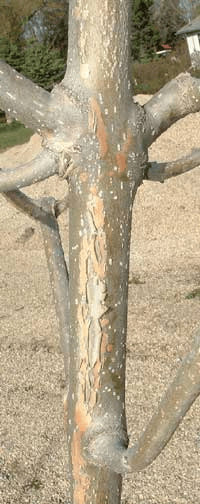
Protect the bark, particularly of young trees, from intense sun exposure which can cause the bark to split. This is sometimes referred to as sunscald or southwest injury as it often occurs on the southwest side of a young tree with thin bark during a sudden temperature drop. Even the sun being suddenly blocked by clouds on a cold winter day can cause this type of damage.
You can use a white tree wrap guard or place a whitepainted plank against the trunk to prevent sunscald and cracking. Be sure to remove these in spring as they can hold moisture against the bark or provide hiding places for insects, such as spongy moths, that may damage the tree.
Wildlife Pressures


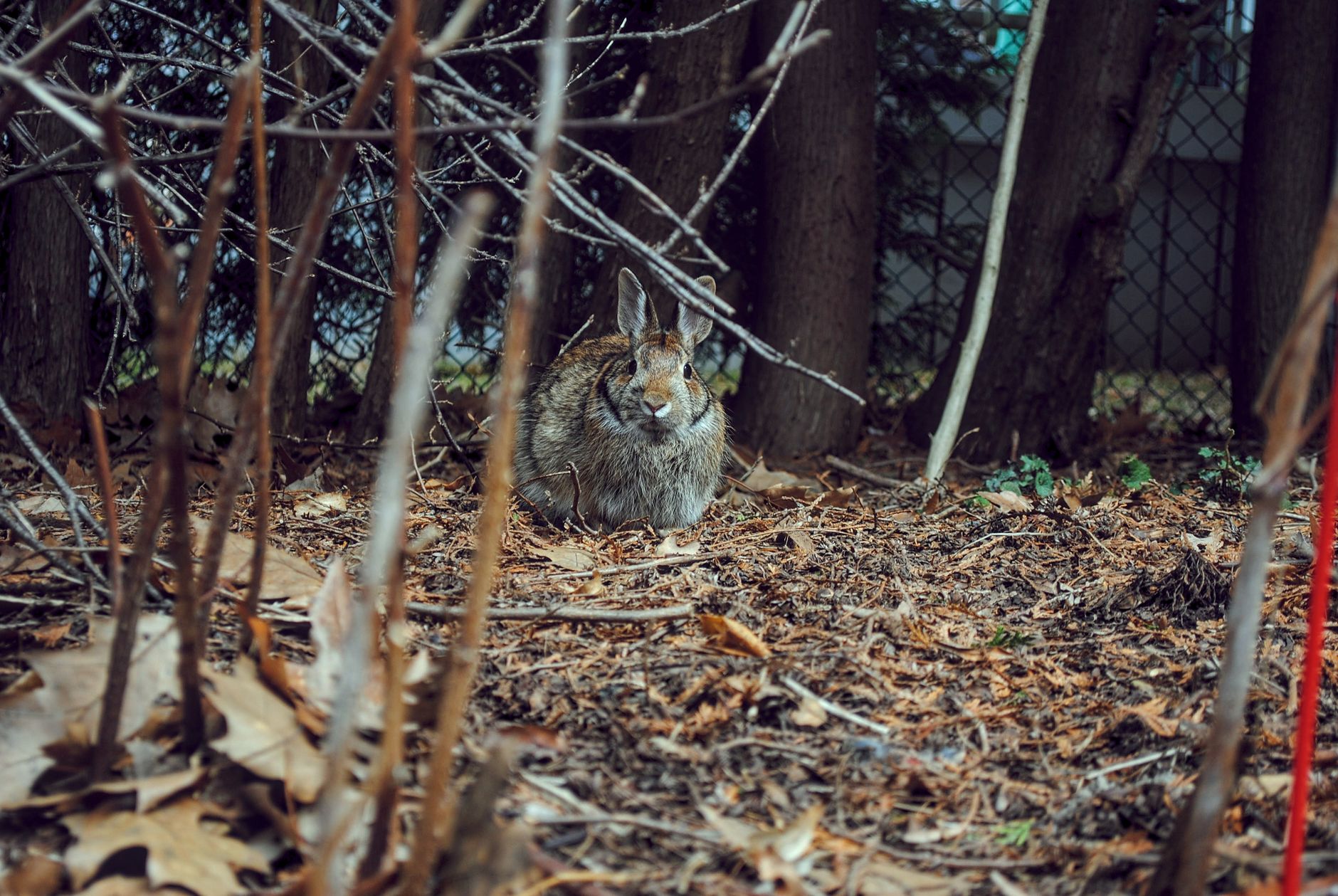
Deer, rabbits, and rodents are often searching for food sources in extreme weather. The best protection for young trees is a fine hardware cloth mesh wrapped loosely around the base of the tree. Make sure it is pushed into the soil, with one or two wooden stakes attached to the cylinder and hammered into the ground to anchor it. Ensure the barrier is tall enough that rabbits, even standing on their hind legs on top of a snow layer, cannot reach over. Unfortunately damage and browsing by deer is difficult to control. Some may wish to exclude deer through fencing, but realize this must be at least 8′ in height and even then some deer can clear 12′ if they’re running. If this type of ‘exclusion fencing’ is not feasible, look to protect the most vulnerable trees in your landscape with barriers using chicken wire or burlap.
Mechanical Factors: Snow, Ice & Wind
Wind
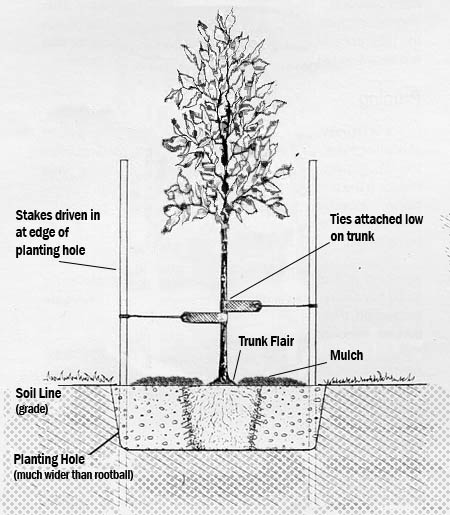
If a tree is in a windy location, extremely tall for its size or planted in sandy soil – stake it the first year! Staking is a bit of a science. Staking should only be used when absolutely necessary. It’s been proven that unstaked trees develop strong anchor roots more quickly than staked trees. Here’s a link to an article on proper staking.

Snow & Ice
Take a broom and remove snow from conifers to prevent branches from becoming damaged. Winter winds can sometimes cause desiccation of evergreens. If this is a concern, you can erect a burlap barrier to reduce the impact of cold winds.
Do not use “tree bags” which are often made of a plastic mesh fabric, as these can create a microclimate that brings trees out of dormancy, leading to dead branches and, in some cases, the loss of the tree. Allow ice to melt and do not attempt to remove the ice from trees. Consider moving young trees if they were planted where there is a constant drip from an old eavestrough causing ice buildup.

Salt
Use burlap screens or barriers to prevent salt spray from roads and sidewalks. Better yet, plant salt tolerant species such as Juniper in these locations. Rinse branches in early spring if they’ve been sprayed by salt.
Further Information
- Building a Better Windscreen This Winter – Michigan State Univ.
- Protecting Trees & Shrubs in Winter – University of Minnesota Ext.
- How Do I Protect My Trees & Shrubs from Damage in Winter – University of New Hampshire
